
Around the world scientists and conservation teams are racing to collect and protect the genetic material of endangered species. The idea is simple. Many animals are now living in small or fragmented populations. When numbers fall, so does genetic diversity. That weakens a species. It reduces fertility and makes disease more dangerous. To prevent this, organisations are building genetic banks. These stores act as a safety net for wildlife.
How can we save animals
Groups such as the Frozen Ark in the UK, the Frozen Zoo in San Diego and research centres linked to major zoos are gathering tissue, blood, eggs and sperm from threatened animals. Samples are frozen at very low temperatures. The cells stay stable for decades. They form a library of a species’ unique genetic code. If wild numbers collapse, those samples can support breeding or future scientific work.
The goal is not to replace wild populations. It is to keep options open so species do not vanish completely.
Fossil Record Office
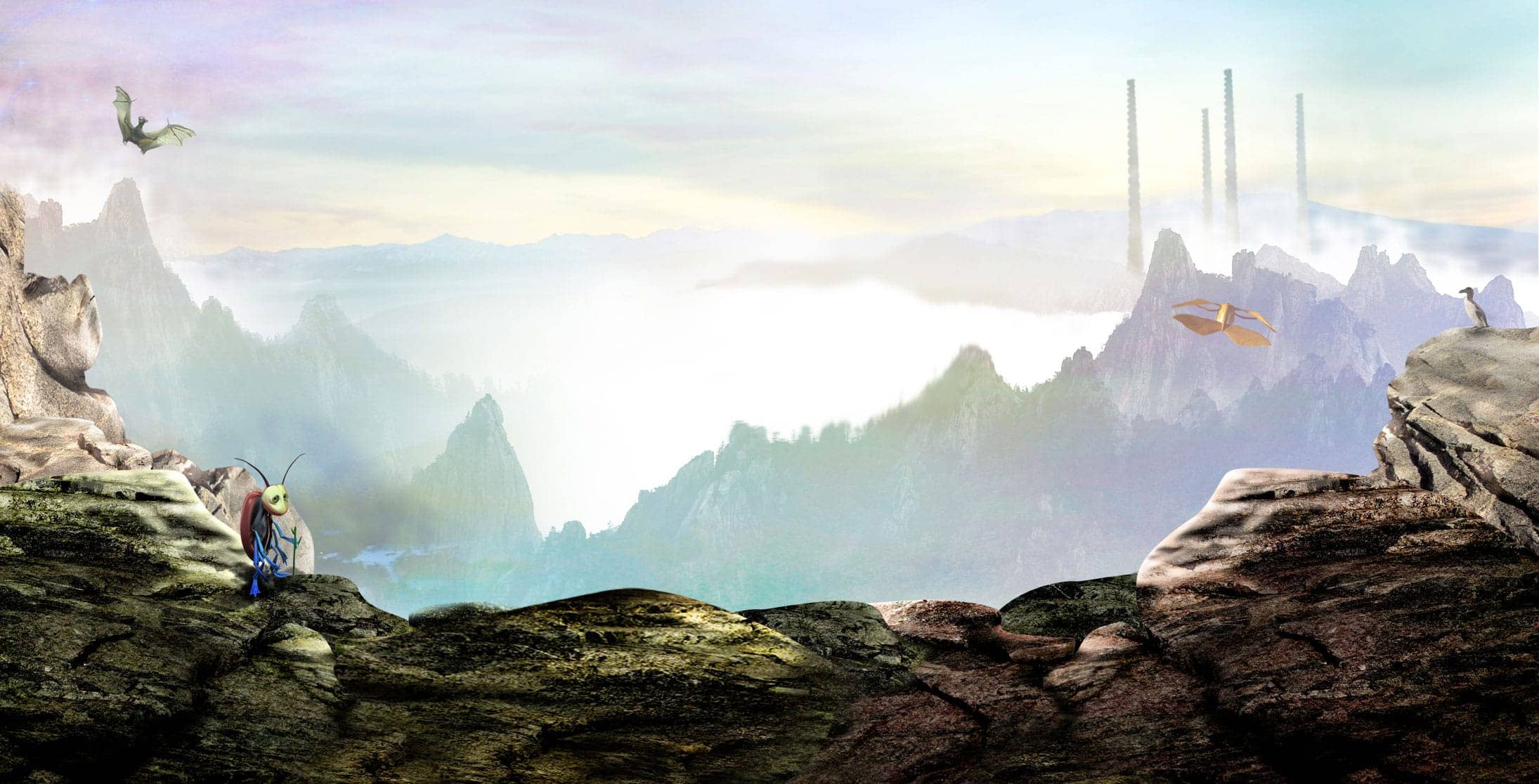
This idea has an echo with our Fossil Record Office on Infinity. In our story, Lost on Infinity, the four great towers at the centre of the island, keep the last trace of every creature so its story is not lost. Scientists are doing something similar. They are storing the living blueprint of species so life has a chance to continue.
Saving the Cheetah
One species drawing particular attention today is the cheetah. It has very low genetic diversity and faces rapid habitat loss in Africa. India is taking an active role in trying to help. Under Project Cheetah, the country has been reintroducing African cheetahs into protected landscapes. Reports this year show encouraging signs. Survival rates of released cheetahs have improved. New monitoring systems are in place. There is also growing political support for the work.
There have been criticisms of this project. Cheetahs are highly susceptible to stress, and prolonged captivity before release brings uncertainty about their long-term physical and mental well-being. The research questions whether this approach truly supports cheetah conservation or if it risks compromising the species further. But India now sees the programme as an example of long term conservation planning. Because of ongoing threats like habitat loss, illegal trade and fragmentation, what’s happening now – rewilding, captive genetic preservation, international cooperation – may become critical if wild populations continue declining.
International Cheetah Day
The genetics bank is not a magic bullet. It will not by itself replace healthy wild populations. But as part of a broader conservation strategy (habitat protection, human-wildlife coexistence, anti-poaching, ecological restoration) it gives conservationists a security buffer: a way to preserve genetic material even if wild populations decline sharply.
International Cheetah Day highlights and celebrates the effort being made to make sure the fastest cat on land is still part of our world.
Find out more on the International Cheetah Day website where you can donate to support the Cheetah Conservation Fund
🐆🐾🌱🐆🐾🌱🐆🐾🌱🐆🐾🌱🐆🐾🌱🐆🐾🌱🐆🐾🌱🐆🐾🌱🐆🐾🌱🐆🐾🌱🐆🐾🌱🐆🐾🌱🐆🐾🌱
Explore our world today
Get the Lost on Infinity illustrated book with free musical audiobook – a totally immersive experience.
Listen to the first part of the Lost on Infinity audiobook and watch the animated adventure FREE on Apple App Store and Google Play.
Download our FREE lesson plans and slides about Extinction and Biomimicry. We also have a selection of FREE classroom activities on our website.
For even more exploration of the natural world, tune in to our Stories, Science & Secrets podcast for kids. Join Matthew, Elaine, Steve Punt and special guests, as we delve into the fascinating world of biomimicry and the inspiring ways science learns from nature’s genius.
Every creature has a secret, and every life is precious.