
Read our December guide to nature, wrap up warm and get outside. December in the UK is crisp, bright and full of quiet surprises. Frost settles on lawns. Birds arrive from the north. Fox tracks appear on morning paths. It is a good month to help children explore nature. Time outdoors supports wellbeing, confidence and learning. Nature also gives children space to slow down during a busy season.
Winter wildlife to watch
Seasonal birds to spot
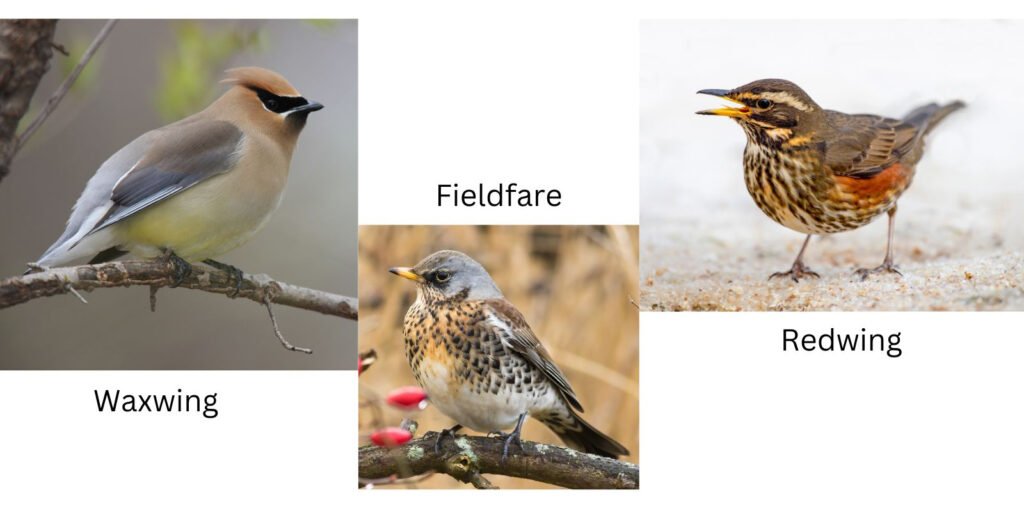
Redwings and fieldfares travel from Scandinavia to feed on our berries. Redwings show a rust patch under each wing. Fieldfares have speckled grey and brown breasts. Waxwings sometimes join them when berry crops fail further north. They gather in flocks and are easy to recognise with their crests and soft trilling calls.
Robins and blackbirds stay with us year round. Starlings gather in huge flocks and form twisting shapes in the sky. These murmurations are one of winter’s great natural displays. Nature reserves and The Woodland Trust often publish viewing points.
A garden feeder or fallen apples can help many birds through colder weeks.
What hibernation really means
Many families talk about hibernation but the process is more complex than most expect. True hibernation is a deep and controlled slowdown. The animal lowers its heart rate, body temperature and breathing. It does this to save energy when food is scarce and temperatures drop. Hedgehogs, bats and dormice are true hibernators.
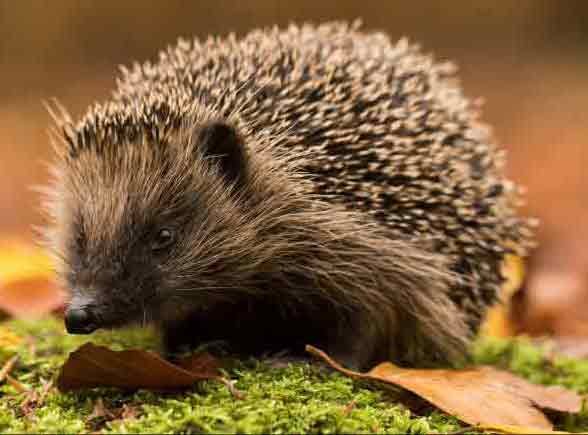
Hedgehogs only wake if disturbed or if temperatures rise. Heart rate drops from about 190 beats per minute to around 20. Body temperature falls close to the surrounding air. This cuts energy use. They do not eat or drink during this state. They rely only on stored fuel. They return to activity in spring when food becomes available again.
Other animals enter lighter rest states called torpor. Badgers and squirrels are good examples. They rest on cold days but still wake to forage when they can.
Leaf piles and log stacks offer safe spaces for wildlife. Try not to move them until spring. Turning compost can also disturb slow worms or frogs and can cool the heap. It is better to leave it alone until the weather warms.
Fresh water is vital. Ice can form each morning so check your water source as often as you can.
Owls and foxes in December
Owls stay busy through winter. Tawny owls call from trees to defend their territories. Barn owls hunt low over grassland for mice and voles. Children can look beneath roosting trees for owl pellets. These contain the remains of their meals and offer clues about local wildlife.
Foxes remain active and travel longer distances in winter. Food is harder to find so they search gardens, woodland edges and parks.
Foxes stay warm in winter by growing a thick, dense winter coat, using their large, fluffy tail as a blanket, and finding shelter in dens or under structures. They also have adaptations like fur on their paws and the ability to lower their metabolic rate to conserve energy. In late December foxes begin looking for mates. Their sharp calls can often be heard after dark. Tracks in frost or snow offer children a simple introduction to wildlife tracking.
The magic of winter traditions
Ancient celebrations of light
Across the UK and Europe, communities have celebrated the darkest weeks of winter for thousands of years. Many traditions focus on light, warmth and the promise of longer days. They link people with each other and with nature’s turning cycle.
Stonehenge is one of the most striking sites. Its stones align with the rising and setting sun at key moments in the year. People still gather in winter to watch the sun appear between the ancient pillars. You can also watch livestreams. They offer children a sense of mystery and wonder and show how early engineers understood the sky.
European customs
Yule fires once burned across northern Europe. A single log was set on the hearth and kept burning for days. It was believed to protect the home and bring luck for the coming year. Today this tradition survives in smaller ways. Yule log cakes. Candles lit at dusk. Evergreen decorations hung on doors.
In Scandinavia, the Feast of Saint Lucia on 13th December brings light into dark mornings. Children wear white robes and carry candles. They sing songs to mark the slow return of daylight.
Children across parts of Europe also walked lantern routes through their villages. Each small light was a symbol of hope and community during colder months. You can recreate this with a homemade lantern and a short walk at dusk.
Family activities
Make simple paper lanterns. Take a gentle walk and listen for owls or fox calls. Create a small Yule log and add holly or ivy. Light a single candle and talk about winter as a season of rest.
Watch Stonehenge sunrise or sunset online and explore how ancient people worked with the landscape.
Stargazing in December
Winter skies
December often brings clear nights. The full Cold Moon appears at this time of year and brightens the sky. Meteor showers can also be seen. It is a good month for children to learn simple constellations. Orion is one of the easiest to find, you can read how to spot it with pictures in our January blog.
Stargazing tips
- Choose a dark place away from streetlights.
- Bring warm clothes, blankets and hot drinks.
- Use binoculars if you have them.
Evergreens and winter berries
Holly, ivy and mistletoe
Holly, ivy and mistletoe add colour when most plants fade. They provide food for birds such as blackbirds and thrushes. These plants have also played important roles in folklore. Holly symbolised hope to many early cultures. Ivy was linked to friendship and endurance. Mistletoe was seen as a plant of protection and later became part of festive traditions.

Nature crafts
Make wreaths from holly, ivy and fir clippings.
String popcorn or fruit to create bird garlands and hang them outdoors.
Why outdoor time matters
Benefits for wellbeing
Research from conservation groups shows that children who spend time outdoors gain better mental wellbeing and stronger focus. Fresh air and movement reduce stress. Soil contains microbes that can support the immune system. Active outdoor play builds confidence and curiosity too.
December, a month for discovery
December offers children simple ways to explore the natural world. You might see a redwing feeding on berries, a fox crossing a frosty path or a murmuration rolling over a lake. Each moment helps build a deeper connection with nature. It also encourages care and protection for the living world.
You can read about the Healing Sounds of Nature in our fascinating blog.
For more ideas on connecting with nature, visit Rockford’s Rock Opera and explore the stories that inspire curiosity and imagination.
❄️🦡🐾❄️🦡🐾❄️🦡🐾❄️🦡🐾❄️🦡🐾❄️🦡🐾❄️🦡🐾❄️🦡🐾❄️🦡🐾❄️🦡🐾❄️🦡🐾❄️🦡🐾❄️🦡🐾
Discover more through story and song
Get the Lost on Infinity illustrated book with free musical audiobook – a totally immersive experience.
Listen to the first part of the Lost on Infinity audiobook and watch the animated adventure FREE on Apple App Store and Google Play.
Download our FREE lesson plans and slides about Extinction and Biomimicry. We also have a selection of FREE classroom activities on our website.
For even more exploration of the natural world, tune in to our Stories, Science & Secrets podcast for kids. Join Matthew, Elaine, Steve Punt and special guests, as we delve into the fascinating world of biomimicry and the inspiring ways science learns from nature’s genius.